The outpatient department (OPD) is the front door of every hospital. It is where patients form their first impression, where the highest daily patient volumes are handled, and where inefficiencies are most visible — long queues, missed appointments, manual billing errors, and frustrated staff. For most Indian hospitals, the OPD is also the largest revenue-generating department.
OPD management software automates and digitises every aspect of outpatient care — from online appointment booking and token queue management to doctor consultation notes, prescription generation, and automated billing. This complete guide explains how OPD software works, what features matter most for Indian hospitals, and how Omniworks HMS delivers a fully integrated outpatient management system as part of its 19-module platform.
Key Statistics
- 60% reduction in patient wait times reported by hospitals after implementing digital OPD queue management (Source: WHO South-East Asia Region)
- 35% of OPD no-shows are eliminated when automated WhatsApp and SMS appointment reminders are used (Source: HIMSS India Healthcare IT Survey)
- 70% of Indian hospital revenue is generated through outpatient services, making OPD efficiency critical to financial health (Source: CII-Deloitte Indian Healthcare Report)
What Is OPD Management Software?
OPD management software is a dedicated module within a hospital management system (HMS) that handles the complete lifecycle of an outpatient visit — from the moment a patient calls to book an appointment to the moment they receive their digital prescription and walk out the door. It replaces the manual register, the handwritten token slip, the carbon-copy prescription, and the paper OPD billing form with a single digital workflow accessible from any computer or tablet in your hospital.
In Indian hospitals, OPD software typically manages three overlapping workflows: appointment and scheduling management, consultation and clinical documentation, and billing and revenue. The best OPD management systems integrate all three seamlessly, so data entered at registration flows automatically to the doctor's workstation and then to the billing counter without any re-entry.
Core Features of OPD Management Software
Here are the essential features to look for in any OPD management system for Indian hospitals:
Patient Registration and UHID: Every patient is registered with a unique health identification number (UHID) that persists across all visits and departments. New patients can be registered in under 2 minutes with name, age, contact, and basic demographic information. Returning patients are identified instantly by mobile number or UHID, pulling up complete visit history.
Online Appointment Booking: Patients book appointments directly via your hospital's website, a patient app, or WhatsApp integration. The system shows real-time doctor availability and slot duration, preventing double-bookings. Appointment confirmation and reminders are sent automatically via WhatsApp or SMS.
Token Queue System: When patients arrive, they receive a numbered token that is displayed on screens in the waiting area. The token system can be managed by front desk staff or dispensed automatically at a self-service kiosk. Doctors advance the token queue from their workstation, automatically calling the next patient and updating the waiting area display.
Doctor Consultation Interface: Each doctor has a clean consultation screen showing their next patient's full history — previous visits, diagnoses, prescriptions, lab results — alongside today's chief complaint. Doctors enter examination findings, diagnosis codes (ICD-10), and prescription details directly into the system. Digital prescriptions are generated, printed, and optionally sent to the patient via WhatsApp.
Automated OPD Billing: When the consultation is complete, the billing counter receives all charges automatically — consultation fees, procedure charges, investigation orders — with no manual data transfer. The billing staff confirm, add any walk-in charges, and generate a GST-compliant receipt in one click.
How OPD Software Reduces Patient Wait Times
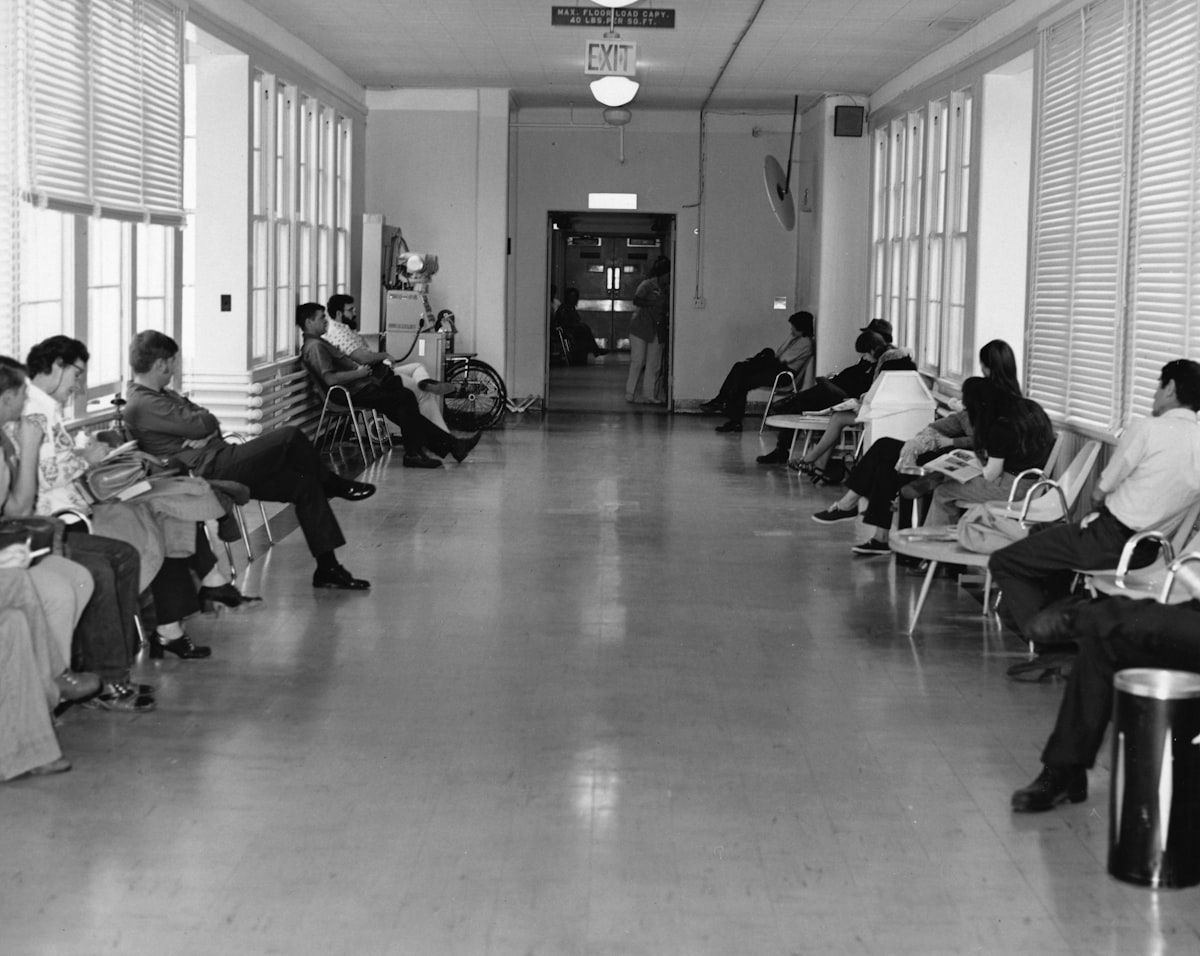
Long wait times are the most common patient complaint in Indian hospitals — and they are largely an operational problem, not a capacity problem. OPD management software addresses wait times at three points in the patient journey:
Before arrival: Online booking and WhatsApp reminders spread appointment load across the day, reducing the morning rush that creates queues. Automated reminders also reduce no-shows, ensuring booked slots are not wasted while walk-in patients wait unnecessarily long.
At registration: Returning patient recognition by mobile number reduces registration time from 5–10 minutes to under 1 minute. Token assignment is instant and automatic — no queuing at the registration desk to get a slip number.
During consultation: Doctors work faster when patient history is pre-loaded, investigation results are on-screen, and prescription generation is a few clicks rather than hand-writing. Consultation throughput increases, reducing the average wait per patient.
Hospitals that implement Omniworks HMS typically report a 40–60% reduction in average OPD wait times within the first 3 months of going live.
OPD Software and ABDM Compliance in India
India's Ayushman Bharat Digital Mission (ABDM) requires hospitals to create digital health records for every patient and link them to the national health ID (ABHA). OPD visits are the most frequent touch point for creating and updating these records.
An ABDM-compliant OPD management system must: create and link ABHA IDs at patient registration, generate digital prescriptions in formats compatible with the PHR (Personal Health Record) ecosystem, record ICD-10 diagnosis codes and SNOMED-CT clinical terms where applicable, and support consent-based sharing of OPD records with patients and other providers.
Omniworks HMS OPD module is fully ABDM-ready, handling ABHA creation, digital prescription storage, and PHR sharing without requiring any separate integration or additional cost.
WhatsApp Integration: Transforming Patient Communication in OPD
WhatsApp is used by over 500 million Indians daily — making it far more effective for patient communication than SMS or email in the Indian context. Omniworks HMS integrates with WhatsApp Business API to automate key OPD communications:
Appointment confirmations sent instantly when a booking is made. Reminders sent 24 hours and 1 hour before the scheduled appointment. Token status updates — patients receive a WhatsApp message when they are 2–3 patients away from being called, reducing waiting room crowding. Digital prescriptions — the full prescription is sent as a PDF to the patient's WhatsApp immediately after the consultation. Lab report notifications — when lab reports are ready, patients receive a WhatsApp alert to collect or download their results.
This level of communication automation reduces front desk phone calls by 40–50% while dramatically improving the patient experience.
OPD Reporting and Analytics
A good OPD management system gives administrators real-time visibility into outpatient performance through dashboards and reports. Key OPD metrics to track include: daily patient registration count, average consultation wait time per doctor, no-show and cancellation rates by day and time, revenue generated per OPD session, top procedures and investigations ordered, and doctor-wise patient load and consultation duration.
Omniworks HMS generates all of these reports automatically, with downloadable exports for monthly management reviews and medical audit requirements.
Frequently Asked Questions
What is OPD management software?
OPD management software is a digital system that manages the complete outpatient department workflow — from patient registration and appointment scheduling to doctor consultation, digital prescriptions, queue management, and automated billing. It eliminates manual processes and reduces patient wait times in hospital outpatient departments.
How does OPD queue management software work?
When patients arrive, they are assigned a numbered token via the registration desk or self-service kiosk. Token numbers are displayed on waiting room screens. Doctors advance the queue from their workstation, automatically calling the next patient. WhatsApp or SMS alerts notify patients when their turn is approaching, reducing physical waiting room crowding.
Can OPD software reduce patient wait times?
Yes. Hospitals implementing digital OPD management report 40–60% reductions in average patient wait times. Key contributors are: online appointment booking that spreads load evenly, faster registration for returning patients, automated token systems, and doctors working faster with pre-loaded patient history.
Does Omniworks OPD module support WhatsApp integration?
Yes. Omniworks HMS integrates with WhatsApp Business API to send appointment confirmations, reminders, token status updates, digital prescriptions, and lab report alerts directly to patients' WhatsApp — available across all plan tiers including the Basic plan.
Is OPD management software included in the Omniworks Basic plan?
Yes. The OPD management module is included in all Omniworks HMS plans — Basic (₹15,000/year), Standard (₹25,000/year), and Premium (₹35,000/year). There is no additional charge for OPD functionality regardless of which plan tier your hospital is on.
Omniworks HMS is trusted by 100+ hospitals across India. Start with a free demo, no commitment required.
Book Free Demo →
Vamshi Rajarikam
OmniWorks India Team
Last updated: