TL;DR: AI in Indian hospitals isn't a futuristic concept anymore. From automating billing and patient flow to powering clinical decisions, AI is actively reshaping how hospitals operate across the country. India's healthcare AI market is projected to hit $17.75 billion by 2032, and hospitals that adopt early are already seeing 25% fewer readmissions and 15% more accurate diagnostics. Here's what's actually happening on the ground.
Indian hospitals face a growing problem. Patient volumes are rising, staff shortages persist, and operational costs keep climbing. Manual processes that worked a decade ago now create bottlenecks at every step, from registration desks to billing counters.
AI in hospital management offers a practical solution. Not the sci-fi kind. The kind that automates appointment scheduling, flags billing errors before they become revenue leaks, and helps doctors catch conditions they might otherwise miss.
India's healthcare AI market was valued at $333 million in 2024 and is growing at over 40% annually. The government's ABDM initiative, new AI policy frameworks, and real deployments at hospitals like Apollo and Narayana Health are accelerating this shift. Let's look at what's actually changing.
Key Statistics
- $17.75 Billion — Projected India healthcare AI market size by 2032 (Source: Custom Market Insights)
- 40%+ CAGR — Annual growth rate of AI in Indian healthcare (Source: IMARC Group)
- 834 Million+ — ABHA digital health IDs created, forming the data backbone for AI (Source: Digital Health News)
- 40%+ — Indian clinicians now using AI tools in practice, a 3x increase YoY (Source: eHealth Magazine)
What Does AI in Hospital Management Actually Mean?
AI in hospital management refers to software systems that use machine learning, natural language processing, and predictive analytics to automate and improve hospital operations. It's not a single tool. It's a layer of intelligence built into your hospital management software that makes every module smarter.
Think of it this way: a traditional HMS stores and retrieves data. An AI-powered HMS analyzes that data, spots patterns, and makes recommendations. It can predict which patients are likely to miss appointments, flag unusual billing patterns, and even suggest optimal staff schedules based on historical patient flow.
The key difference is that AI systems learn and improve over time. The more data they process, the better their predictions become.
How Is AI Improving Patient Flow in Indian Hospitals?
AI reduces patient wait times by predicting demand patterns, automating queue management, and optimizing resource allocation in real time. Hospitals using AI-driven patient flow systems report wait time reductions of up to 25% in emergency departments.
Here's how it works in practice:
- Predictive scheduling: AI analyzes historical appointment data to forecast busy hours. Hospitals can then allocate more staff or open additional counters during peak times.
- Smart queue management: Instead of first-come-first-served, AI triages patients based on urgency, type of consultation, and estimated time per visit.
- Real-time bed tracking: AI monitors bed availability, estimated discharge times, and incoming admissions to prevent bottlenecks.
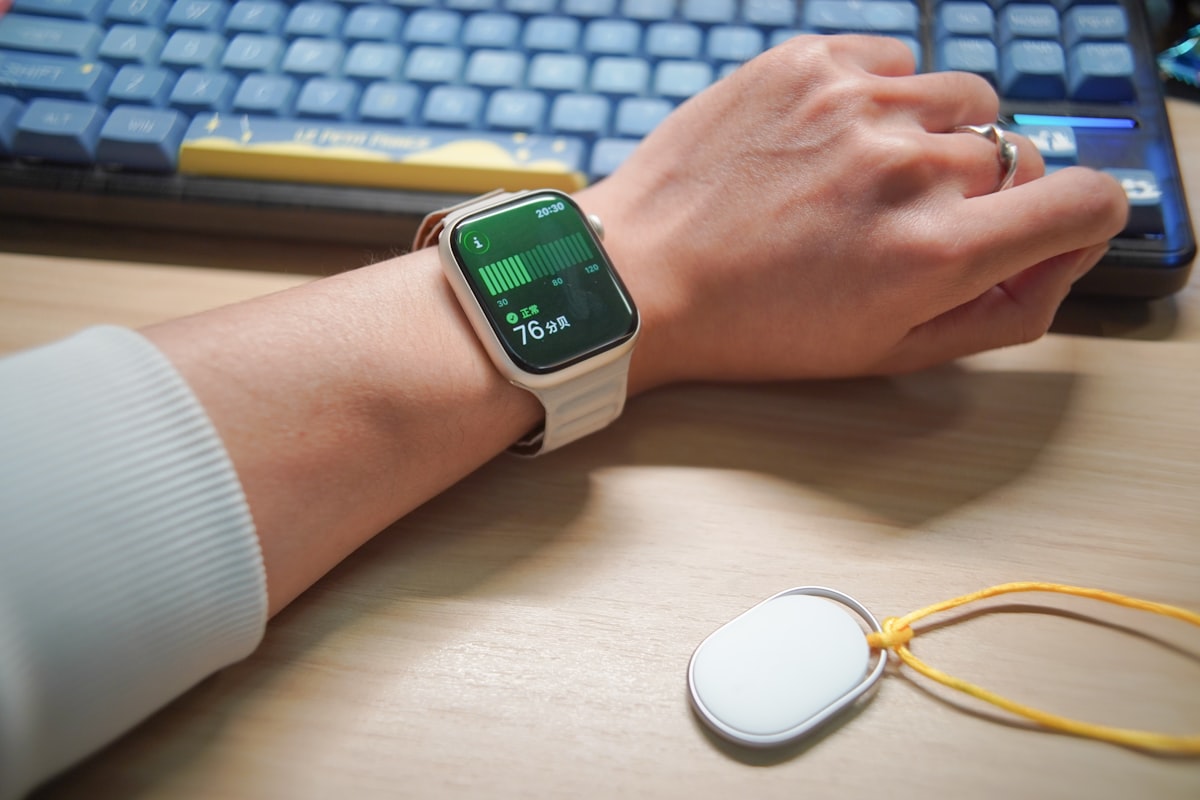
Apollo Hospitals introduced their "Apollo Remote Health" program using wearable tech and AI-powered monitoring. In a trial with heart failure patients, the system helped reduce hospital readmissions by nearly 25%. That's fewer patients returning for avoidable complications and more beds available for new admissions.
If your hospital still relies on manual patient tracking, see how HMS automation reduces patient wait times with practical workflows.
AI-Powered Billing and Revenue Cycle Management
Billing errors are one of the biggest revenue drains for Indian hospitals. Manual coding, delayed claim submissions, and incorrect patient data create a cycle of denials and rework. AI tackles this at every stage.
According to the American Hospital Association, 46% of hospitals globally now use AI in their revenue cycle operations. The results are significant:
- Auto-coding: AI reads clinical notes and assigns the correct billing codes, reducing human error.
- Claim scrubbing: Before submission, AI checks each claim against payer rules and flags issues that would cause denials.
- Denial prediction: By analyzing past denial patterns, AI identifies claims likely to be rejected and routes them for review.
- Payment estimation: AI gives patients accurate cost estimates upfront, improving collections and trust.
Research from the American College of Healthcare Executives suggests that automation in healthcare billing could eliminate $200 to $360 billion in unnecessary spending. For Indian hospitals dealing with complex insurance and government scheme billing (like Ayushman Bharat), AI simplifies what was previously a manual nightmare.
Explore how the right hospital billing software features can plug revenue leakage in your facility.
How Does AI Help Doctors Make Better Clinical Decisions?
AI-driven Clinical Decision Support Systems (CDSS) analyze patient data against vast medical databases to suggest diagnoses, flag drug interactions, and recommend treatment protocols. They don't replace doctors. They give doctors better information, faster.
The evidence is compelling. A study at Lahey Hospital & Medical Center found that AI-assisted reviews identified 15% more incidental findings that could have been missed over a 12-month period. That's 15% more early catches of potentially serious conditions.
In India, the applications are growing rapidly:
- Diagnostic imaging: AI algorithms analyze X-rays, CT scans, and retinal images with accuracy matching trained specialists. This is especially valuable in tier-2 and tier-3 cities where specialist availability is limited.
- Drug interaction alerts: When a doctor prescribes medication, AI cross-references the patient's history and flags potential conflicts instantly.
- Risk stratification: AI identifies high-risk patients who need closer monitoring, allowing hospitals to allocate resources proactively.
Over 40% of clinicians in India are now using AI tools in practice, a three-fold increase from the previous year. That adoption rate tells you this isn't experimental anymore.
India's AI Healthcare Policy: SAHI, BODH, and ABDM 2.0
The Indian government isn't just watching from the sidelines. In March 2026, the Union Health Ministry launched two landmark initiatives: the Strategy for AI in Healthcare in India (SAHI) and the Benchmarking Open Data Platform for Health AI (BODH).
What SAHI means for hospitals:
- A national framework for responsible AI adoption in healthcare
- Clear guidelines on data privacy, algorithm validation, and clinical safety
- Support for Indian startups building healthcare AI solutions
What BODH provides:
- Open, anonymized health datasets for training AI models
- Standardized benchmarks so hospitals can evaluate AI tools objectively
- A collaborative platform connecting developers, hospitals, and regulators
Meanwhile, ABDM is entering its second phase. With over 834 million ABHA digital IDs created and 438,000+ health facilities registered, the infrastructure for AI is now in place. ABDM 2.0 focuses on deeper private-sector integration, cloud-first data sharing, and AI-powered patient matching.
For hospitals preparing to comply, our guide on ABDM and ABHA integration breaks down the technical requirements step by step.
Real AI Deployments in Indian Hospitals Right Now
Let's move past theory. Here are actual AI implementations happening across India:
Apollo Hospitals delivered 1.2 million teleconsultations in 2024 and deployed 20 industry-certified clinical AI tools across acute care, diagnostics, and public health. They've expanded specialist access to tier-2 cities using AI-powered triage and remote diagnostics.
Narayana Health launched AIRA in August 2025, an AI tool built by a team of 90 engineers. AIRA processes both digital and scanned patient records, generating clinical timelines and smart tags for comprehensive documentation.
India's first AI-powered hospital was inaugurated in Bengaluru in July 2025, where automation governs every aspect of care delivery from patient intake to discharge planning.
These aren't pilot projects tucked away in research labs. They're production systems handling real patients at scale.
What Should Your Hospital Do Right Now?
You don't need to build an AI-powered command centre overnight. Start with practical steps that deliver immediate value:
Step 1: Audit your current operations. Identify where manual processes create the most delays. Registration? Billing? Lab reporting? Start there.
Step 2: Choose an HMS with AI readiness. Not every hospital management system supports AI integration. Look for platforms that offer API-based architecture, cloud deployment, and ABDM compliance. Compare your options with our cloud vs on-premise HMS guide.
Step 3: Start with billing automation. It has the fastest ROI. AI-powered claim scrubbing and auto-coding can reduce denial rates within weeks. See the real ROI numbers for Indian hospitals.
Step 4: Train your team. The Philips Future Health Index 2024 found that 92% of healthcare leaders believe automation is critical for addressing staff shortages. But AI tools only work when staff know how to use them.
Step 5: Scale gradually. Once billing automation is working, expand to patient flow, clinical decision support, and inventory management. A phased approach reduces risk and builds confidence. Learn how to implement HMS in 30 days without disrupting your operations.
The Bottom Line
AI in hospital management isn't coming to India. It's already here. Apollo, Narayana Health, and dozens of smaller hospitals are proving that AI delivers real operational improvements, from fewer billing errors to faster diagnoses to shorter wait times.
The Indian government's SAHI framework and ABDM 2.0 are creating the policy and data infrastructure that will make AI adoption even easier. Hospitals that start now will have a significant advantage over those that wait.
The first step? Get your HMS foundation right.
Omniworks HMS is trusted by 100+ hospitals across India. Our 19-module platform gives your hospital the digital backbone it needs for AI-ready operations.
Book Free Demo →
Frequently Asked Questions
What is AI in hospital management?
AI in hospital management refers to machine learning and analytics tools embedded within hospital management software. These tools automate tasks like appointment scheduling, billing, patient triage, and clinical decision support. They analyze hospital data to find patterns, predict outcomes, and recommend actions that improve efficiency and patient care.
How much does AI cost for Indian hospitals?
The cost varies widely depending on scope. Basic AI features (like automated billing and scheduling) often come built into modern HMS platforms at no extra cost. Advanced AI tools for diagnostics or clinical decision support may require additional licensing. India's healthcare AI market is growing rapidly, which means more affordable options are entering the market every year.
Is AI safe for clinical use in India?
Yes, when properly validated. The Indian government launched the SAHI framework in March 2026 specifically to ensure AI tools in healthcare meet safety, privacy, and accuracy standards. The CDSCO also has a regulatory pathway for AI-enabled medical devices. Always choose AI tools that have been clinically validated and certified.
Can small hospitals in India afford AI?
Absolutely. Cloud-based HMS platforms now include AI features like smart scheduling, automated billing, and basic analytics at affordable subscription rates. You don't need a massive IT team or infrastructure. Start with cloud-based hospital management software designed for smaller facilities and scale up as needed.
How does AI integrate with ABDM and ABHA?
ABDM provides the digital infrastructure (ABHA IDs, health records, facility registry) that AI tools need to function effectively. AI can analyze patient records shared through ABDM to provide better clinical insights, predict health risks, and streamline referrals. The ABDM 2.0 phase specifically prioritizes AI-powered patient matching and cloud-first data sharing.
Vamshi Rajarikam
OmniWorks India Team
Last updated: