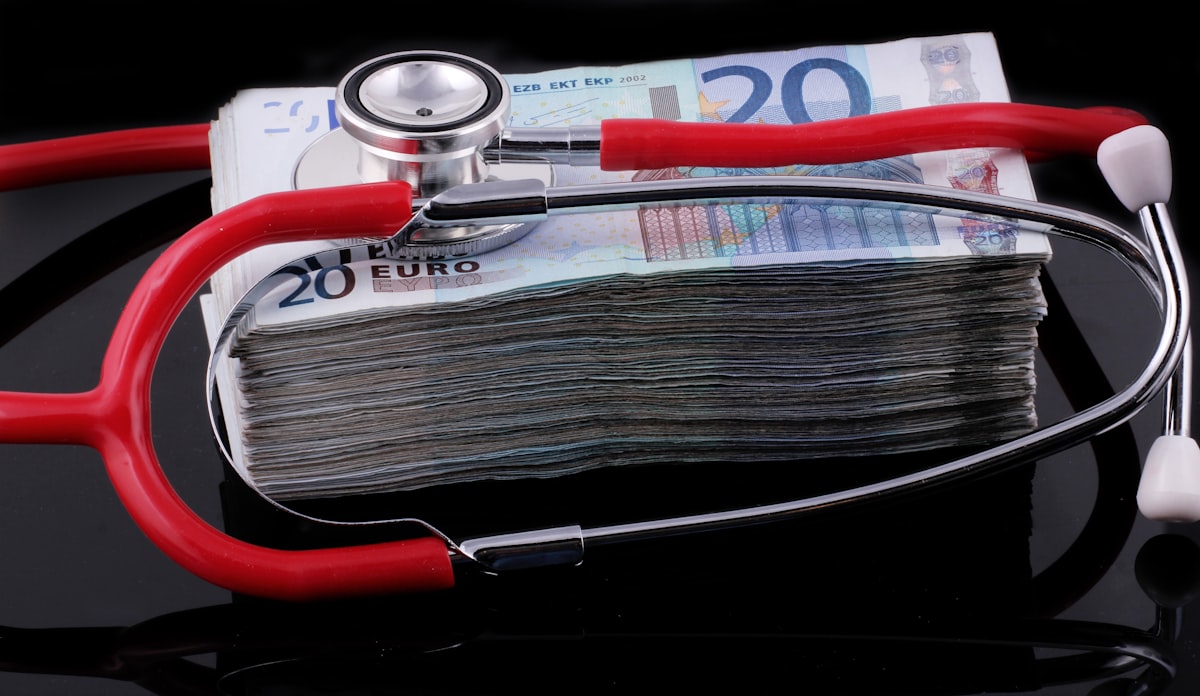
Revenue leakage, the gap between services delivered and revenue actually collected, is one of the most pervasive financial problems in Indian hospitals. Industry estimates suggest that hospitals lose between 10–25% of potential revenue to billing errors, uncaptured charges, insurance claim rejections, and collection failures. For a hospital with ₹1 crore monthly revenue, that's ₹10–25 lakh walking out the door every month.
The good news: the majority of this leakage is preventable with the right hospital billing software. This guide covers the 8 features that make the biggest difference.
Key Statistics
- 10–25% — estimated revenue leakage rate in Indian hospitals due to billing errors and missed charges (Source: Deloitte India Healthcare Report, 2024)
- 35% — of insurance claims in India are rejected on first submission due to documentation errors (Source: Insurance Regulatory and Development Authority (IRDAI), 2024)
- ₹2–5 lakh — average monthly revenue recovered after implementing automated charge capture in a 50-bed hospital (Source: OmniWorks India customer data, 2025)
Feature 1: Real-Time Charge Capture at Every Touchpoint
The most common source of revenue leakage is services delivered but never entered into the billing system. A nurse administering an injection, a physiotherapist completing a session, or a doctor performing a minor procedure, if these aren't captured at the point of service, they don't get billed.
Hospital billing software must enable charge capture at every department, nursing station, physiotherapy, dietary, OT, procedures room, with billable items automatically added to the patient's running account in real time. No end-of-shift batch entry, no paper slips to be transcribed later.
Feature 2: Pharmacy-Billing Integration
In hospitals where the pharmacy and billing system are separate, medications are routinely dispensed to admitted patients without the charges flowing into the billing system. The pharmacy stock decreases, the patient receives medication, but the revenue is never captured.
Strong hospital management software automatically pushes pharmacy dispensing records to the patient's bill in real time. Every tablet, IV bag, and consumable dispensed is captured without manual entry.
Feature 3: TPA and Insurance Pre-Authorization Workflow
For cashless insurance patients, revenue risk begins at admission. If the TPA pre-authorization process is managed manually, phone calls, faxes, PDFs sent by email, authorization delays cause admission holds, patient frustration, and sometimes discharge before insurance is confirmed.
Billing software with integrated TPA workflow generates pre-authorization requests automatically from the admission diagnosis and estimated treatment plan, tracks approval status within the system, and alerts staff when authorization is pending or received.
Feature 4: Package Billing Management
Many hospitals offer surgical packages (e.g., "Normal Delivery Package: ₹35,000 inclusive") that bundle multiple services into a single price. Managing these packages manually creates two problems: over-delivery of services not in the package (which reduces margin) and incorrect billing of package components as individual items (which creates disputes).
Billing software with package management defines exactly what's included in each package, alerts staff when additional services outside the package are requested, and handles the accounting split between package revenue and any add-ons.
Feature 5: GST and Tax Compliance Automation
Healthcare billing in India involves complex GST rules, most healthcare services are exempt from GST, but pharmacy items, room amenities, and certain non-medical services are taxable at different rates. Manual GST calculation by billing staff leads to errors in both directions: under-collection (revenue loss) and over-collection (compliance risk).
Billing software must automatically apply correct GST rates by service category, generate GST-compliant invoices, and produce reports for GST return filing without manual intervention.
Feature 6: Discharge Bill Finalization Checklist
Discharge billing failures are the single largest source of IPD revenue leakage. When a patient is ready to leave, billing staff scramble to pull charges from multiple departments, pharmacy, lab, physiotherapy, dietary extras, specialist consultations, and inevitably miss items that weren't entered in time.
Good billing software shows a discharge checklist: all departments that generated activity for the patient are flagged, and billing cannot be finalized until each has confirmed charges are complete. This prevents the "we'll bill it next time" phenomenon that never results in billing.
Feature 7: Outstanding Payment Tracking and Alerts
Revenue leakage also occurs post-discharge, through unpaid balances, bounced cheques, insurance claims not followed up, and TPA settlements delayed indefinitely. Billing software must maintain a live outstanding receivables dashboard by patient, TPA, and insurance company, with automated alerts for balances exceeding defined aging thresholds (30, 60, 90 days).
Feature 8: Insurance Claim Error Detection Before Submission
Insurance claim rejections are expensive, they create collection delays of weeks or months, require staff time to reprocess, and some claims are never resubmitted. The most common rejection reasons are preventable: wrong ICD-10 diagnosis codes, missing required fields, charges exceeding pre-authorized limits, or mismatched patient details.
Billing software with pre-submission claim validation checks claims against payer-specific rules before submission, flagging errors that would cause rejection so billing staff can correct them immediately.
Putting It Together: The Revenue Recovery Math
A 50-bed hospital implementing all 8 features in a modern billing system can typically recover:
- ₹3,000–₹8,000/day in previously uncaptured charges (pharmacy, consumables, services)
- 15–30% reduction in insurance claim rejections
- 25–40% reduction in discharge time, improving patient satisfaction and bed turnover
- Elimination of GST compliance errors and associated penalties
At ₹5,000/day in recovered revenue, the annual benefit is ₹18,25,000, far exceeding the cost of any HMS subscription.
Frequently Asked Questions
What is TPA billing in hospital management?
TPA (Third Party Administrator) billing refers to the process of billing insurance claims through an insurance intermediary company (TPA) rather than directly to the patient. The TPA processes claims on behalf of the insurance company. Efficient TPA integration in HMS automates pre-authorization, claim generation, and settlement tracking.
How does hospital billing software handle cash and cashless patients differently?
For cash patients, billing is straightforward, generate invoice, collect payment. For cashless patients, billing software must first generate and track TPA pre-authorization, then submit a detailed claim with all service codes and costs within the payer's required format, and track settlement status.
Is GST applicable to hospital services in India?
Most core healthcare services are exempt from GST under Indian law. However, pharmacy items (depending on category), room amenities upgrades, non-medical services, and certain procedures may attract GST. Your billing software should handle this automatically by service category.
Omniworks HMS is trusted by 100+ hospitals across India. Start with a free demo, no commitment required.
Book Free Demo →
Sindhuja
OmniWorks India Team
Last updated: