In modern clinical diagnostic laboratories, manual transcription of patient test results from automated analyzers into a computer system is the single largest source of diagnostic turnaround delays, clerical transcription errors, and accreditation non-conformances. Deploying a robust, automated Bi-Directional Laboratory Information System (LIS) Interface using standard communication protocols—such as ASTM E1381/E1394 and HL7 v2.x / FHIR—connects biochemistry, hematology, immunoassay, and electrolyte analyzers directly to hospital medical records. This eliminates 100% of manual data entry, automates sample barcode worklists, and accelerates critical value emergency alerts.
Executive Summary: Core Lab Machine Interfacing Principles
- Uni-Directional vs. Bi-Directional: Uni-directional interfaces only receive finished test results from the analyzer. Bi-directional interfaces query the LIS server when a barcoded sample tube is scanned, automatically downloading patient demographics and requested test parameters (Host Query Mode).
- Protocol Standards (ASTM vs. HL7): Older and benchtop analyzers predominantly use low-level serial RS-232 / TCP-IP ASTM E1381 / E1394 frame protocols, whereas modern high-throughput integrated systems and enterprise hospital networks utilize HL7 v2.5 / FHIR JSON messaging.
- Eliminating Transcription Errors: Automated direct machine-to-database result transmission reduces lab data entry error rates from 3%–5% down to 0.00%, ensuring total diagnostic integrity for NABL and NABH audits.
- Automated Delta Checks & Panic Value Alerts: Modern LIS middleware automatically compares newly generated results against patient historical baseline values (delta checks) and triggers instant WhatsApp/SMS emergency alerts for life-threatening panic values.
- Seamless Hospital Integration: Linking lab middleware directly to an integrated Hospital Management Software enables instant digital report delivery with pathologist QR-verification to patient smartphones and doctor EMR consoles.
1. Technical Architecture: ASTM E1381/E1394 vs. HL7 v2.x / FHIR
Clinical laboratory analyzers communicate using standardized protocol layers. Understanding the structural differences between ASTM framing and HL7 messaging is critical for lab managers and biomedical engineers configuring interface middleware:
| Feature / Metric | ASTM E1381 / E1394 Protocol | HL7 v2.x Standard (v2.3 / v2.5) | HL7 FHIR (Fast Healthcare Interoperability) |
|---|---|---|---|
| Physical & Transport Layer | RS-232 Serial (Baud 9600/19200, 8-N-1) or TCP/IP socket with ACK/NAK handshaking. | TCP/IP Minimal Lower Layer Protocol (MLLP) over Port 2575 or custom socket ports. | HTTPS RESTful APIs with TLS 1.3 encryption and OAuth2 bearer tokens. |
| Message Structure | Hierarchical record structure: H (Header) ➔ P (Patient) ➔ O (Order) ➔ R (Result) ➔ L (Terminator). |
Pipe-delimited segments: MSH (Header), PID (Patient ID), OBR (Observation Request), OBX (Observation Result). |
Standard JSON/XML resource bundles (DiagnosticReport, Observation, Specimen). |
| Primary Analyzer Adoption | Standard in 85%+ of benchtop analyzers (Mindray BC-5000/5150, Erba Chem-7, Sysmex XN-350, Horiba Yumizen, BioSystems BA-400). | High-throughput automated track systems (Roche Cobas 6000/8000, Beckman Coulter AU5800, Abbott Alinity). | Cloud LIS, mobile health portals, and enterprise hospital EHR interoperability. |
| Bi-Directional Query Support | Host Query Mode (Analyzer sends Q record; LIS responds with O record containing test list). |
Solicited / Unsolicited Query (QRY^Q02 query; LIS returns DSR^Q03 or OML^O21 order message). |
RESTful GET /Observation?specimen=12345 query with instant JSON payload response. |
2. How Bi-Directional Host Query Automation Works (Step-by-Step)
Bi-directional interfacing transforms a diagnostic laboratory into a zero-touch, automated clinical pipeline. The entire end-to-end sample testing workflow operates seamlessly:
Phlebotomy & Barcode Label Generation:
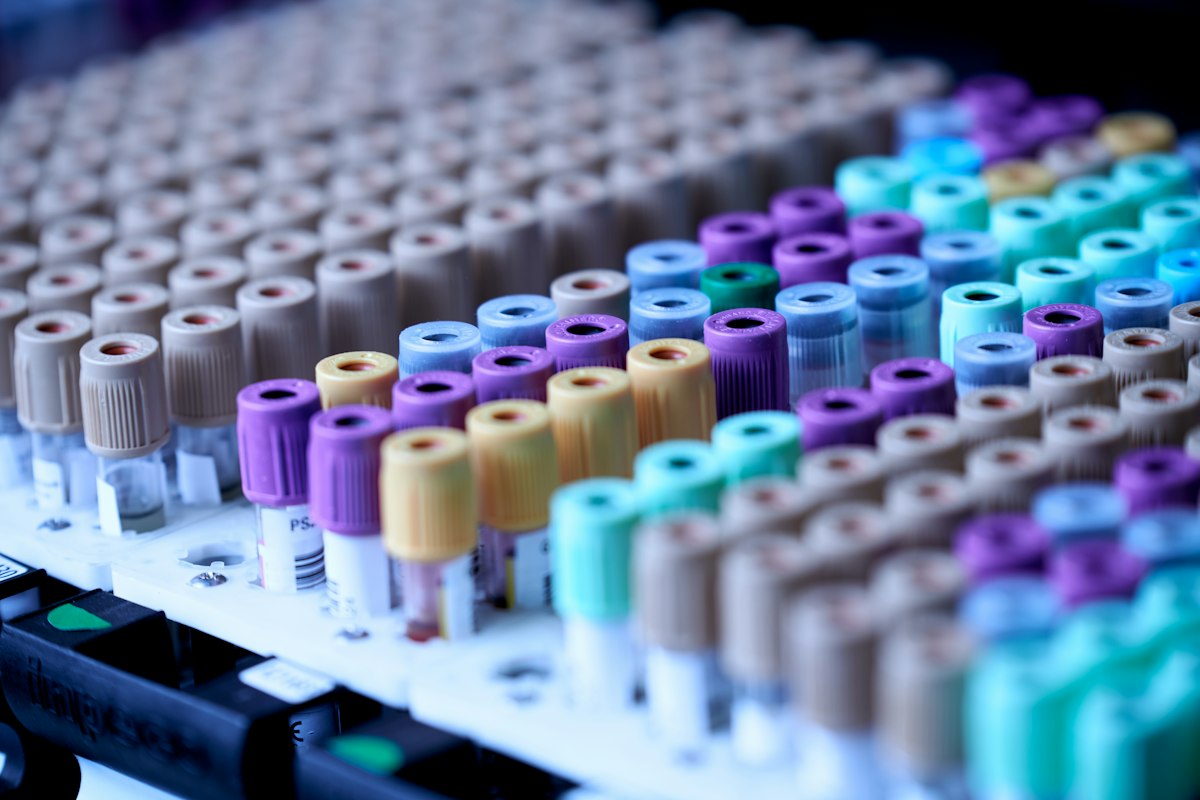
Upon doctor test order entry in OPD or IPD, the phlebotomist collects blood in color-coded vacutainers (EDTA, Serum Gel, Fluoride) and scans a unique 2D/Code-128 barcode label containing the Lab Order ID.
Tube Loading & Optical Barcode Scan:
The lab technician loads the barcoded vacutainer onto the automated analyzer sample rack. The analyzer's internal laser scanner reads the barcode number without requiring manual keypad entry.
Real-Time Host Query (ASTM 'Q' / HL7 'QRY'):
The analyzer sends an automated TCP/IP query frame to the LIS middleware server asking: "What tests must be executed for Sample Barcode #98421?"
Instant Worklist Download:
Within 150 milliseconds, the LIS middleware looks up the patient record and replies with the active test roster (e.g., CBC + ESR, Liver Function Test, Lipid Profile, HbA1c).
Sample Aspiration & Result Transmission:
The analyzer pipettes the sample, runs the photometric/impedance assay, and transmits the resulting raw numerical values, reference flags (High/Low/Panic), and scattergrams back to the LIS server via ASTM 'R' / HL7 'OBX' records.
Automated Delta Check, Pathologist Sign-Off & Delivery:
The LIS runs automated delta checks against previous patient history. Normal results are auto-approved, while abnormal/critical values alert the consultant pathologist for digital signature and instant dispatch to doctor EMR consoles.
3. Key Clinical & Operational Benefits of Bi-Directional Interfacing
Transitioning from standalone manual benchtop analyzers to a fully interfaced laboratory delivers transformative improvements across clinical quality, operational speed, and audit readiness:
Quality & Diagnostic Safety Benefits
- • Zero Transcription Errors: Completely eliminates typing mistakes (e.g., entering Potassium 3.2 instead of 6.2 mEq/L), preventing catastrophic clinical misdiagnoses.
- • Sample Identity Verification: Positive sample identification via barcode eliminates sample mix-ups between patients with similar names in crowded OPD queues.
- • Automated Panic Value Escalation: Detects life-threatening critical results (e.g., Platelet <20,000/µL, Blood Sugar <45 mg/dL, Troponin positive) and sends instant SMS/WhatsApp alerts to the attending physician.
- • NABL & ISO 15189 Audit Readiness: Maintains a permanent, tamper-evident digital audit trail recording the exact timestamp, instrument serial number, and technician ID for every parameter.
Operational Speed & Labor Savings
- • 70% Faster Turnaround Time (TAT): Reduces routine CBC and biochemistry turnaround times from 3 hours down to under 45 minutes from sample collection.
- • Reclaims 4 Hours of Technician Time Daily: Eliminates manual data entry, allowing medical lab technicians to focus on internal quality control (IQC) and instrument maintenance.
- • Prevents Test Omissions: The analyzer automatically runs exactly the tests billed on the invoice, preventing technician forgetfulness and revenue leakage.
- • Instant Multi-Channel Report Delivery: Generates tamper-proof PDF lab reports with embedded QR codes, delivered automatically to patient smartphones and ward EMR consoles.
4. Implementation Blueprint: Connecting Benchtop Analyzers to HMS Middleware
Integrating lab equipment with modern hospital software involves four essential technical deployment phases:
- Hardware Connectivity & Serial-to-Ethernet Conversion:
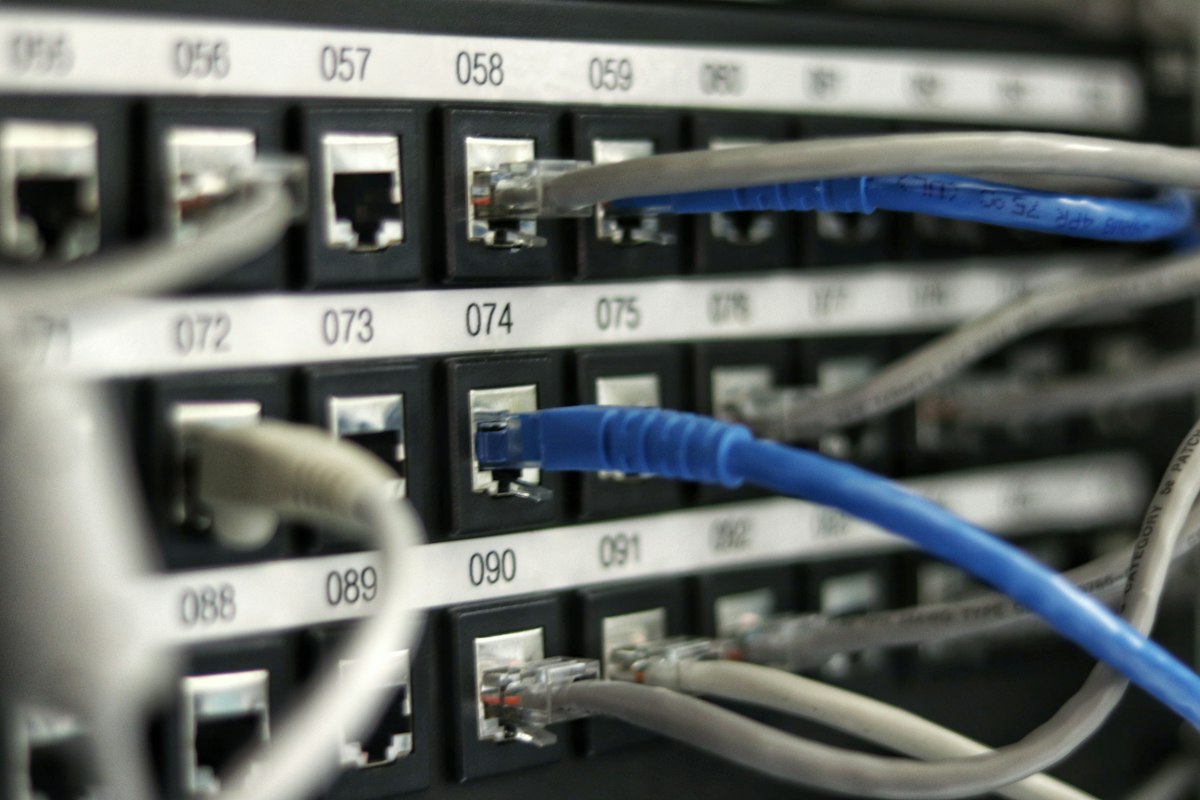
For analyzers equipped only with legacy DB9/RS-232 serial ports, install industrial Serial-to-Ethernet converters (such as Moxa NPort or Waveshare RS232-to-ETH) to bridge machine data onto the hospital local area network (LAN) over static IP addresses.
- Protocol Parser Configuration:
Configure the LIS middleware listener to parse machine-specific frame headers, checksums, and delimiter characters. Map machine-specific parameter codes (e.g., Mindray parameter code
WBC,RBC,HGB,PLT) to standardized LOINC (Logical Observation Identifiers Names and Codes) definitions. - Two-Way Host Query Handshake Validation:
Perform loopback testing using simulator test tubes. Verify that when the analyzer sends an ASTM
Qframe containing a sample barcode, the LIS middleware responds within 200 milliseconds with the correct test order profile. - Quality Control (QC) & Levey-Jennings Chart Integration:
Ensure that daily multi-level control runs (Normal, High, Low QC samples) are recognized by the middleware and mapped directly to automated Levey-Jennings charts with Westgard multirule evaluations.
5. How OmniWorks HMS Powers High-Throughput Diagnostic Laboratories
Modern hospital laboratories cannot rely on disconnected desktop billing software and manual registers. OmniWorks Hospital Management Software includes an enterprise-grade Laboratory Information System (LIS) with native analyzer middleware:
- Multi-Vendor Machine Middleware Engine: Pre-built bi-directional and uni-directional drivers for over 150+ popular analyzers (Mindray, Erba, Beckman Coulter, Sysmex, Roche, Horiba, Abbott, Transasia).
- Dynamic Barcode Generation: Prints thermal Code-128 and DataMatrix vacutainer labels instantly at phlebotomy desks and bedside IPD nursing stations.
- Real-Time Panic Value Telemetry: Automatically detects critical lab values and dispatches urgent alerts to treating consultants, ICU resident doctors, and nursing duty stations.
- Pathologist QR Digital Signature & Autovalidation: Enables pathologists to review abnormal scattergrams, batch-approve normal results with 1-click cryptographic digital signatures, and publish QR-verified lab reports.
Transform Your Hospital Lab into a Zero-Touch Automated Powerhouse
Eliminate manual data entry errors, connect all your diagnostic analyzers, and achieve 45-minute lab report turnarounds with OmniWorks HMS.
Frequently Asked Questions (FAQs)
1. What is the main difference between uni-directional and bi-directional analyzer interfacing?
In a uni-directional interface, the analyzer only sends finished numerical test results to the computer after the technician manually types the sample ID and test selection into the machine. In a bi-directional interface, the analyzer automatically queries the LIS server upon scanning a tube barcode, downloads the exact test worklist, runs the assay, and uploads the results back to the LIS with zero manual typing.
2. Can older semi-automated biochemistry analyzers be interfaced with modern HMS?
Yes. Most semi-automated biochemistry analyzers and benchtop hematology counters feature an RS-232 serial port. By connecting a Serial-to-Ethernet converter or a USB-to-RS232 serial cable, the OmniWorks LIS middleware listener captures data streams using standard ASTM protocols.
3. What are delta checks, and why are they vital in automated laboratory testing?
A delta check is an automated quality safety algorithm that compares a patient's current test result with their most recent previous result for the same parameter within a defined time window. If a sudden, physiologically improbable variation occurs (e.g., Hemoglobin dropping from 14.2 g/dL to 6.1 g/dL in 12 hours without active hemorrhage), the system flags the result for manual re-testing to catch sample mislabeling or IV fluid dilution.
4. How does automated LIS interfacing satisfy NABL and ISO 15189 accreditation requirements?
NABL (National Accreditation Board for Testing and Calibration Laboratories) and ISO 15189 standards require total data integrity, traceability of result entry, and prevention of clerical errors. Automated interfacing creates an immutable electronic log linking every patient parameter to the specific analyzer serial number, calibration cycle, and validation timestamp.
5. Can critical/panic value alerts be automated through the LIS?
Yes. When the interfaced analyzer transmits a result that falls outside defined clinical panic thresholds (e.g., Serum Calcium <6.0 mg/dL or >13.0 mg/dL), OmniWorks LIS immediately generates a visual emergency pop-up on ward nursing consoles and sends an automated SMS/WhatsApp alert to the treating physician.
Vamshi Rajarikam
OmniWorks India Team
Last updated: