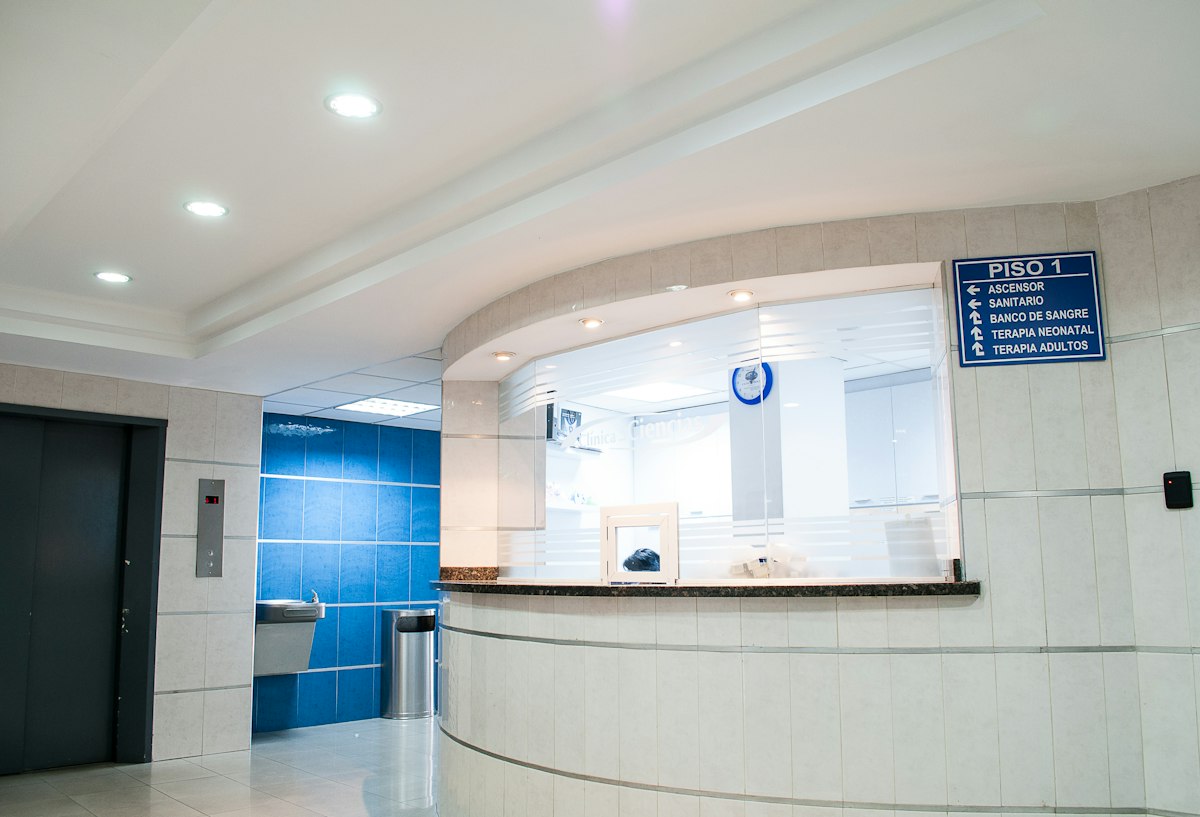
In healthcare operations across India, the safe segregation, handling, and disposal of clinical waste is not merely an environmental guideline—it is a strictly enforced criminal liability under the Bio-Medical Waste Management Rules, 2016 (Amended 2018 & 2019) notified under the Environment (Protection) Act, 1986. For hospital administrators, medical directors, and facility managers, failing to uphold mandatory 4-color segregation, barcoded digital tracking, and State Pollution Control Board (SPCB) annual reporting can result in immediate license revocation, hefty environmental compensation fines, and criminal prosecution.
Executive Summary: Core BMW Regulatory Mandates
- Universal 4-Color Segregation: All healthcare facilities must segregate biomedical waste strictly at the point of generation into Yellow (anatomical/chemical/soiled), Red (contaminated recyclables/plastics), White Translucent (sharps/needles), and Blue (glassware/metallic implants) containers.
- Mandatory Barcode & GPS Tracking: Under CPCB rules, every bio-medical waste bag and container must carry a dynamic barcoded label linked to the healthcare facility's unique SPCB registration code, scanned during handover to Common Bio-Medical Waste Treatment Facilities (CBWTF).
- Chlorinated Plastic Prohibition: Complete statutory ban on chlorinated plastic bags and non-chlorinated plastic bags <50 microns, with mandatory usage of non-chlorinated, biodegradable/compostable barcode-compatible bags.
- Mandatory SPCB Annual Returns (Form IV): Every hospital must submit verified annual waste generation records online to the State Pollution Control Board before June 30th each year, accompanied by public website publishing of daily waste logs.
1. The Legal Framework: BMW Rules 2016 & Environmental Liability
The Bio-Medical Waste Management Rules, 2016, issued by the Ministry of Environment, Forest and Climate Change (MoEF&CC) and enforced by the Central Pollution Control Board (CPCB) and State Pollution Control Boards (SPCBs / PCCs), apply to every healthcare facility, clinic, dispensary, pathology laboratory, blood bank, and veterinary clinic in India.
Key legal responsibilities imposed on Healthcare Facilities (HCFs):
- Duty of the Occupier (Rule 4): The administrative head / medical director is legally deemed the "Occupier" and bears personal liability for ensuring that biomedical waste is handled without adverse effects to human health and the environment.
- Mandatory SPCB Authorization (Rule 10): Every bedded hospital must obtain one-time or periodic Consent to Establish (CTE) / Consent to Operate (CTO) and BMW Authorization from the SPCB prior to admitting patients.
- Strict 48-Hour Storage Limit (Rule 6): Biomedical waste must never be stored on hospital premises beyond 48 hours. If temporary holding exceeds 48 hours due to unpreventable logistical delays, the facility must immediately notify the SPCB in writing.
- Complete Phase-Out of On-Site Burning: Total prohibition of on-site incineration, deep burial (except in remote rural areas without CBWTF access within 75 km), or open burning of clinical waste.
2. Master 4-Color Category Segregation Matrix
Biomedical waste segregation must occur strictly at source—at the patient bedside, nursing station, operation theatre, or diagnostic workbench. Mixing infectious waste with municipal general waste or mixing sharps into flexible plastic bags constitutes severe regulatory non-compliance:
| Color Category | Type of Container / Bag | Permissible Waste Items | Final Treatment & Disposal Mode |
|---|---|---|---|
| YELLOW | Non-chlorinated yellow plastic bags / biohazard bins | Human anatomical waste (tissues, organs, placenta, body parts), animal anatomical waste, soiled cotton/gauze/bandages, expired/discarded medicines, cytotoxic drugs, chemical waste, and microbiology culture plates. | High-temperature Incineration (>1,050°C in secondary chamber) or Plasma Pyrolysis / Deep Burial. |
| RED | Non-chlorinated red plastic bags / bins | Contaminated recyclable plastic waste: disposable tubing, IV bottles and sets, catheters, urine bags, disposable gloves, and syringes without needles. | Autoclaving / Hydroclaving / Microwaving followed by shredding and authorized plastic recycling. |
| WHITE (Translucent) | Puncture-proof, tamper-proof, leak-proof sharps containers | Waste sharps including used needles, syringes with fixed needles, needles from needle destroyers, scalpels, surgical blades, and contaminated suture needles. | Autoclaving or Dry Heat Sterilization followed by shredding / mutilation / encapsulation in metal foundry. |
| BLUE | Puncture-proof cardboard boxes / leak-proof bins with blue marking | Glassware, broken or unbroken medicine vials, ampoules (except cytotoxic glass), and orthopedic metal implants / screws. | Disinfection (soaking in 1% sodium hypochlorite / autoclaving) followed by glass recycling. |
3. The Dynamic Barcode Tracking System (CPCB Mandate)
To prevent illegal dumping, pilferage, and clandestine recycling of hazardous healthcare waste, the Central Pollution Control Board mandates an electronic Barcode System for all biomedical waste dispatches:
Hospital Barcoding Workflow
- • Unique HCF Identifier: Every barcode label encodes the hospital's SPCB unique registration ID, color category code, bag serial number, and timestamp.
- • Pre-Handover Weighing: Designated waste handler weighs each color category bag on a calibrated digital scale at the central biomedical waste storage room.
- • Electronic Dispatch Manifest: Generates digital Form VI transfer manifest recording exact category weights (in kilograms) and bag counts before CBWTF vehicle arrival.
CBWTF Vehicle Verification & GPS Sync
- • Handheld Scanner Verification: CBWTF operator scans each bag's barcode on the vehicle handheld terminal, cross-verifying weight within ±5% tolerance.
- • Real-time SPCB Cloud Sync: Scanned data transmits instantaneously to the CPCB/SPCB central monitoring dashboard.
- • Mandatory Discrepancy Logging: Weight mismatches exceeding 10% trigger automated alerts requiring joint investigation by HCF and CBWTF.
4. Occupational Safety, Immunization & Needle-Stick Protocols
Under Rule 4 of the BMW Rules, healthcare establishments are legally obligated to guarantee the occupational safety of all sanitary workers, nurses, and laboratory technicians handling clinical waste:
- Mandatory Immunization: 100% free immunization of all healthcare workers against Hepatitis B (3-dose primary schedule with anti-HBs titer verification) and Tetanus Toxoid.
- Personal Protective Equipment (PPE): Mandatory provision of heavy-duty waterproof nitrile/rubber gloves, puncture-resistant aprons, safety goggles, N95 respirators, and non-slip rubber gumboots for all waste handling staff.
- Needle-Stick Injury (NSI) Protocol: Dedicated NSI register recording incident timestamp, source patient viral status (HIV, HBsAg, HCV), and post-exposure prophylaxis (PEP) initiation within 2 hours (and max 72 hours).
- Annual Health Checkups: Comprehensive medical examination of all sanitary staff every 12 months, including complete blood counts, liver function tests, and pulmonary screening.
5. Statutory SPCB Annual Return (Form IV) & Public Transparency Mandate
Compliance documentation is strictly audited by state pollution inspectors during annual license renewal inspections:
| Statutory Form / Requirement | Applicable Legal Section | Submission Timeline | Receiving Authority / Public Portal |
|---|---|---|---|
| Form IV (Annual Return) | Rule 13(1) of BMW Rules, 2016 | On or before June 30th annually | SPCB Online Environmental Portal + Annual report uploaded to hospital website. |
| Form I (Accident Reporting) | Rule 15 of BMW Rules, 2016 | Within 24 hours of major accident | District Medical Officer & State Pollution Control Board Member Secretary. |
| Daily Waste Generation Log | CPCB Directives / NABH CQI | Daily updated log | Mandatory monthly publishing on hospital public website for minimum 3 years. |
| Form II (Authorization Application) | Rule 10 of BMW Rules, 2016 | 90 days prior to expiry | State Pollution Control Board Regional Officer. |
6. Step-by-Step Hospital Bio-Medical Waste Compliance Roadmap
6-Step Hospital BMW Master Compliance Blueprint:
SPCB Authorization & CBWTF Service Agreement:
Secure valid SPCB Consent to Operate (CTO) and execute a formal bilateral service agreement with an authorized Common Bio-Medical Waste Treatment Facility (CBWTF).
Standardized 4-Color Bins & Point-of-Generation Layout:
Deploy color-coded foot-operated bins, non-chlorinated barcode-compatible liner bags, and puncture-proof sharps boxes at every clinical point of care.
Digital Barcoding & Weighing Station Setup:
Install a digital weighing scale and electronic thermal barcode printer at the central BMW storage room integrated into your Hospital Management Software.
Staff Training & Mandatory Hepatitis B Immunization:
Conduct mandatory quarterly biomedical waste segregation workshops for all doctors, nurses, and housekeeping staff, maintaining complete immunization records.
Daily Handover Reconciliation & Discrepancy Audits:
Reconcile daily digital dispatch weights with CBWTF collection receipts to ensure zero unrecorded waste disposal or weight variances.
Automated Form IV Returns & Website Disclosure:
Generate verified Form IV annual returns automatically from system logs and upload required annual summaries to the hospital public website before June 30th.
7. How OmniWorks HMS Ensures 100% Bio-Medical Waste Audit Readiness
Manual paper registers for biomedical waste are prone to data loss, arithmetic errors, and severe SPCB audit penalties. OmniWorks Hospital Management Software automates environmental compliance across your institution:
- CPCB Dynamic Barcode Generator: Automatically generates and prints standardized CPCB/SPCB compliant barcodes with hospital ID, ward location, and unique bag serial numbers.
- Digital Weight Station Integration: Directly captures category weights from electronic weighing scales via Bluetooth/USB, eliminating manual ledger recording.
- Electronic CBWTF Handover Manifests: Generates tamper-proof Form VI dispatch receipts and tracks collection timestamps with zero manual paperwork.
- 1-Click SPCB Form IV Generation: Aggregates annual waste tonnage across all 4 color categories, generating pre-formatted Form IV annual returns ready for portal upload.
- Occupational Health & Immunization Tracker: Maintains digital employee health records, tracking Hepatitis B vaccination cycles, annual health exams, and needle-stick incidents.
Automate 100% SPCB Environmental Compliance for Your Hospital
Eliminate manual waste ledgers, automate CPCB barcode labels, and generate audit-ready Form IV annual returns with OmniWorks HMS.
Frequently Asked Questions (FAQs)
1. What is the maximum duration biomedical waste can be stored within hospital premises?
Under Rule 6 of the Bio-Medical Waste Management Rules, 2016, untreated biomedical waste cannot be stored beyond 48 hours under any circumstances. If an emergency delay occurs, the hospital must immediately notify the SPCB Regional Office.
2. Can chlorinated plastic bags be used for biomedical waste collection in India?
No. Under the amended BMW Rules, chlorinated plastic bags, gloves, and blood bags are strictly prohibited. Hospitals must exclusively procure non-chlorinated, certified biodegradable or compostable bags meeting CPCB specifications.
3. Where should expired or discarded cytotoxic (chemotherapy) drugs be discarded?
Expired or discarded cytotoxic drugs, items contaminated with cytotoxic agents, and heavy chemical waste must strictly be placed in YELLOW containers marked with the specialized cytotoxic hazard symbol and disposed of via high-temperature incineration (>1,050°C).
4. What are the legal penalties for violating Bio-Medical Waste Management Rules in India?
Violations under the Environment (Protection) Act, 1986 can attract imprisonment for up to 5 years and fines up to ₹1,00,000 per violation (with additional daily fines of ₹5,000 for continuing offenses), along with heavy environmental compensation penalties assessed by the National Green Tribunal (NGT) and immediate facility closure orders.
5. Is a single-doctor consultation clinic required to obtain SPCB Bio-Medical Waste authorization?
Yes. Non-bedded clinics and diagnostic collection centers that generate any quantity of infectious waste (such as blood lancets, cotton swabs, or vaccine vials) must obtain one-time authorization from the SPCB and tie up with an authorized CBWTF for scientific disposal.
Vamshi Rajarikam
OmniWorks India Team
Last updated: